What is a sinus lift and when would I ever need one?
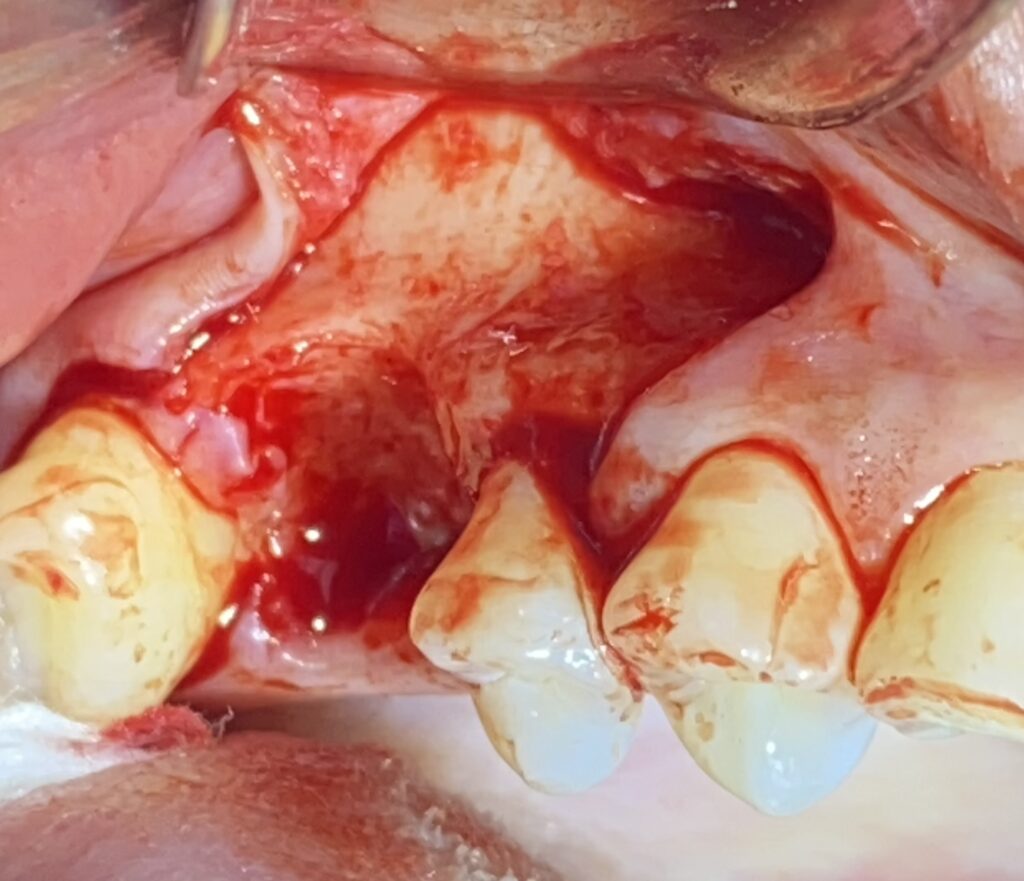
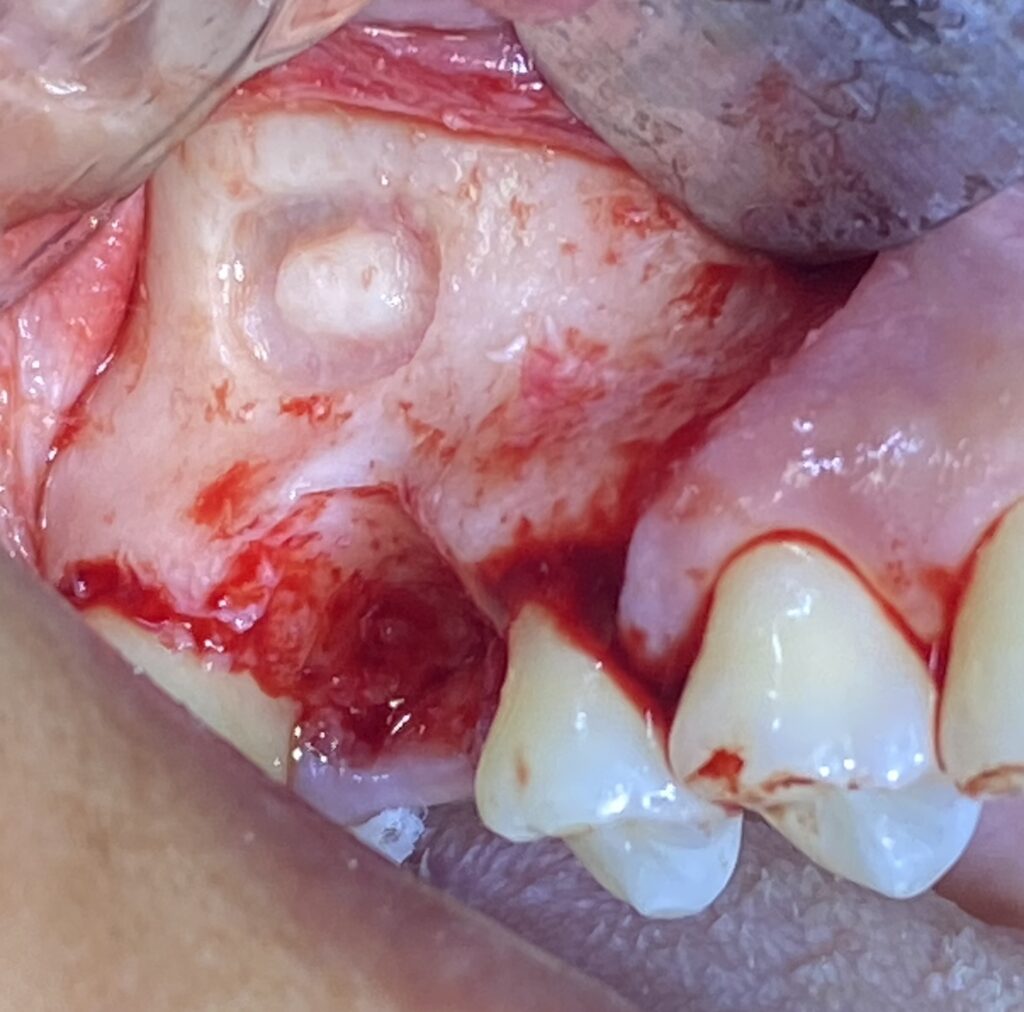
A person that is interested in getting dental implants in the back and upper part of the mouth may or may not need a sinus lift (aka sinus elevation) first. Why? Because this all depends on the availability of bone at the site of the missing natural tooth or teeth that the implants are replacing. Conventionally, a CBCT x-ray scan is needed to determine this. Thus, if it is confirmed that a sinus lift is required in order to get implants, then steps are needed in order for this to be successful. But first, What is a sinus lift exactly? I will briefly dive into what this procedure is and what steps are taken.
A sinus lift is when the sinus membrane, also known as the schneiderian membrane in the maxillary sinus, is raised or “lifted” off the floor of the sinus chamber. This creates space for the placement of bone graft material at the desired site. Once an adequate amount of time has occurred, the bone grafting material will have assisted in the generation of new bone which is crucial in serving as the supporting foundation for the implant(s). The Sinus lift is normally performed by one of two approaches.
The first approach is the intracrestal (aka internal) approach which is accessing the sinus chamber from within the crestal bone ridge where the base of the teeth resides. This approach is less invasive (or less traumatic) and is ideal for the placement of smaller amounts of bone graft material that’s needed. The only drawback is that this is considered as a blind approach since there is no direct line of sight to the surgical area.
The second approach is the lateral window (aka external) approach which is accessing the sinus chamber from outside of the bony ridge area. An opening to the sinus cavity is created directly from just the outside of it just above the area of the teeth. The benefits of this approach is that there is a direct line of sight to the area and that a greater amounter of bone graft material can be placed into the sinus chamber when its indicated. Although by having a clear line of sight minimizes potential complications from occurring, this approach is considered to be more invasive (or more traumatic) to the patient.
For the sake of simplicity, I will discuss the basic steps involved when a lateral window approach is performed which will also apply to the pictures on this page
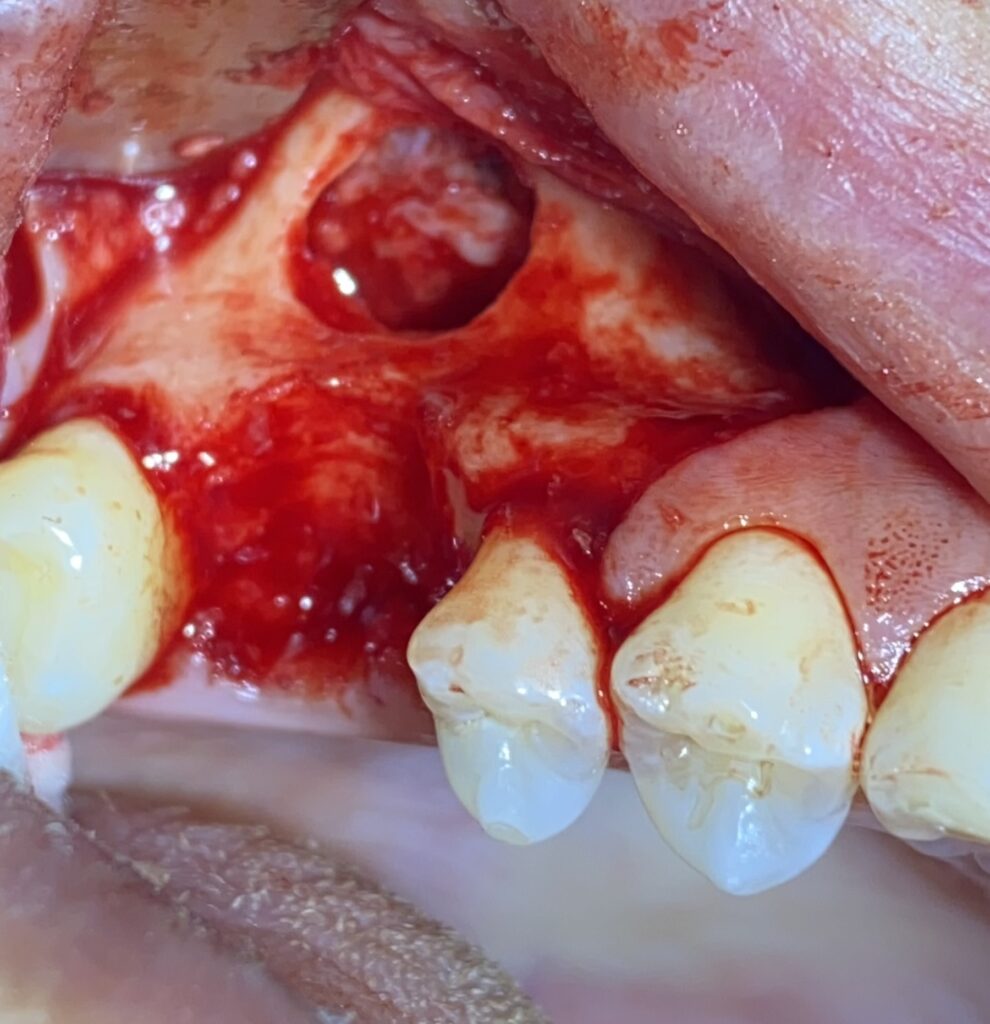
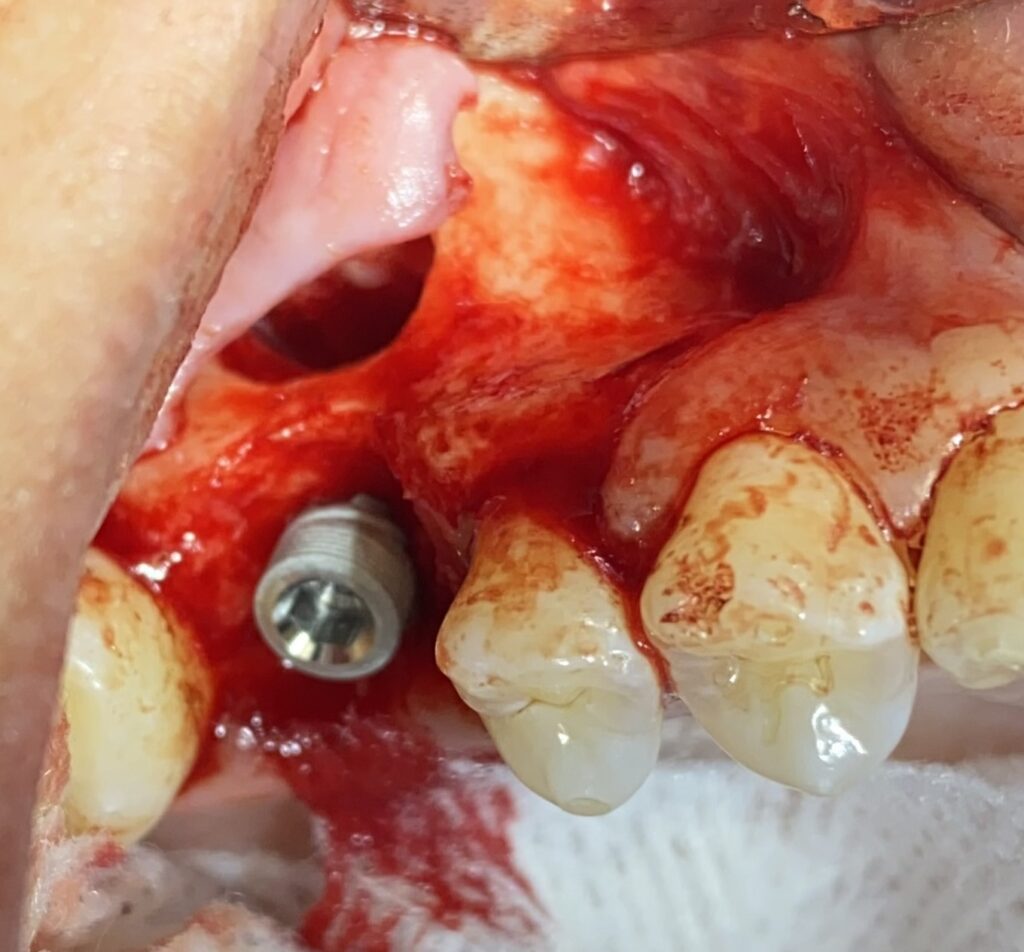
First, an incision is made in order to create a soft tissue flap. This flap will allow access to the outer bone of the sinus chamber to which the lateral window will be created. Thus, the lateral window is the hole of entry and allows direct access into the sinus chamber. After it is created, The sinus (Schneiderian) membrane is carefully elevated from the sinus floor to the desired height. The elevation of the membrane will provide adequate space underneath it to fill in with bone graft material. A predetermined amount of bone graft is then placed into the space at the location of the implant site. The sinus lift procedure is then completed and an implant is then placed at the site.
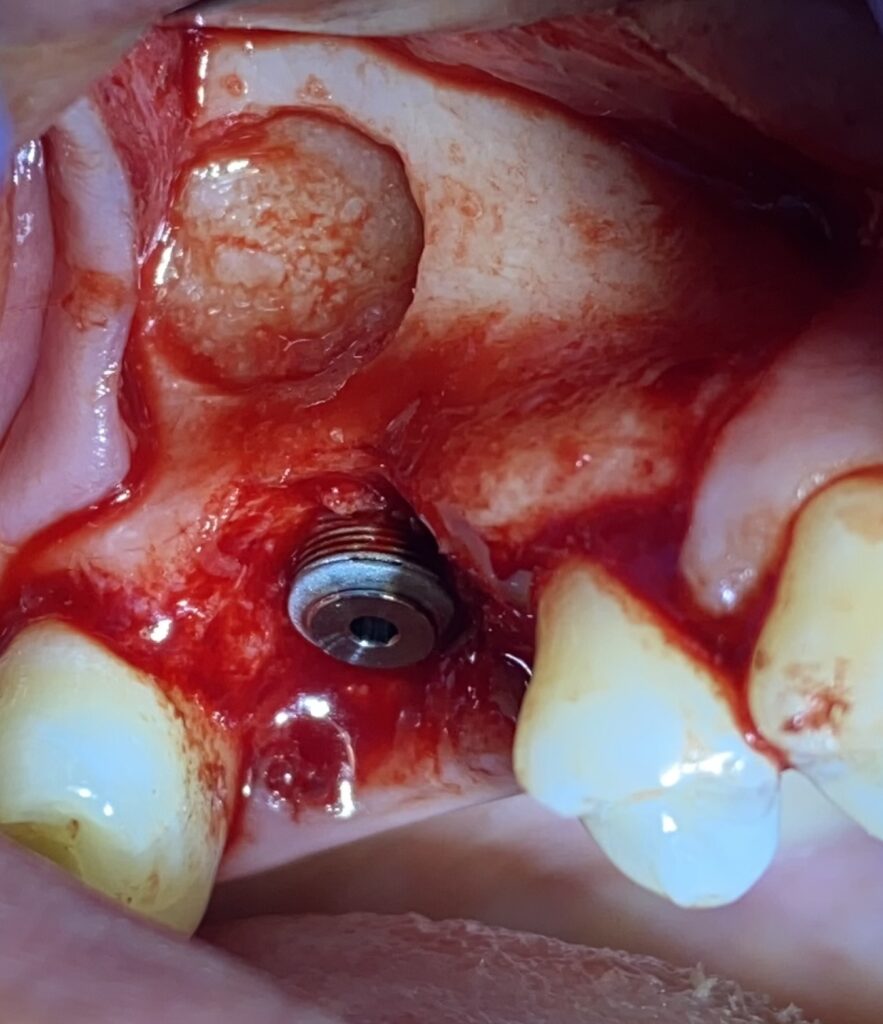
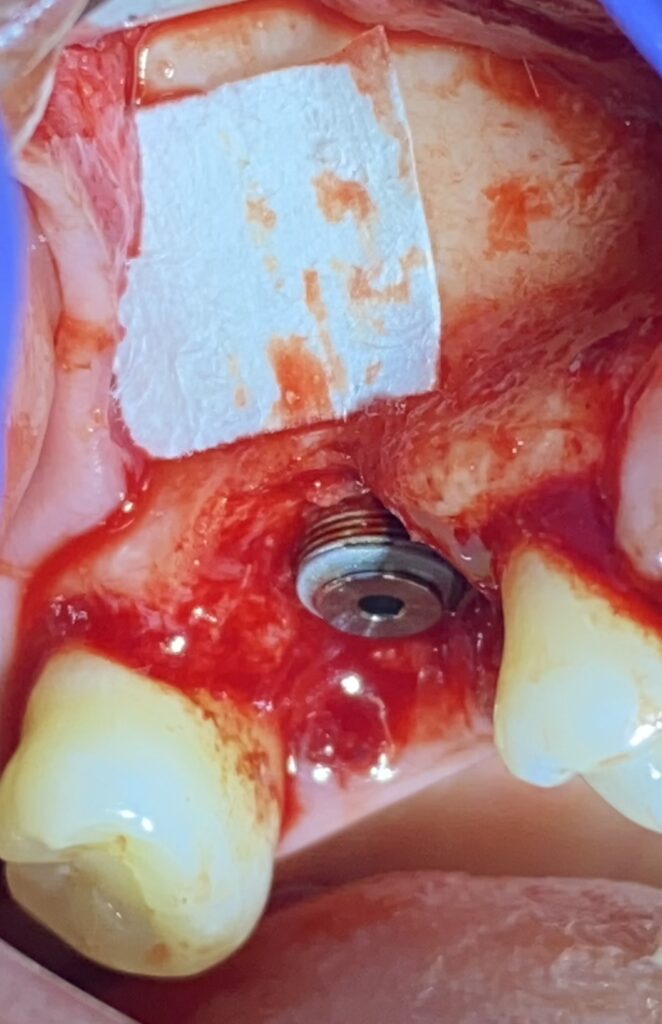
The firmly attached implant will then be allowed to heal and integrate with the bone for a recommended period of time. In addition, it will also take time for new bone to generate from the placement of the bone graft material. This will help reinforce the strength and provide a more solid foundation for the implant especially during functional loading (eating, chewing, etc). A barrier membrane, made of collagen, is then placed over the lateral window and the soft tissue flap is sutured back together. The patient is brought back at a later time (greater than 12 weeks) to begin the process of fabricating an implant crown.
Dr. Charles Chow