The benefits and harvesting process of a soft tissue graft

Whenever it is recommended that someone needs a soft tissue graft, it is for good reason. The most common reasons for getting a soft tissue graft would include the following:
- to treating gum recession.
- Removing root sensitivity (for natural teeth).
- Improving the overall health in the area.
- Enhancing the esthetic outcome (to increase volume, etc.).
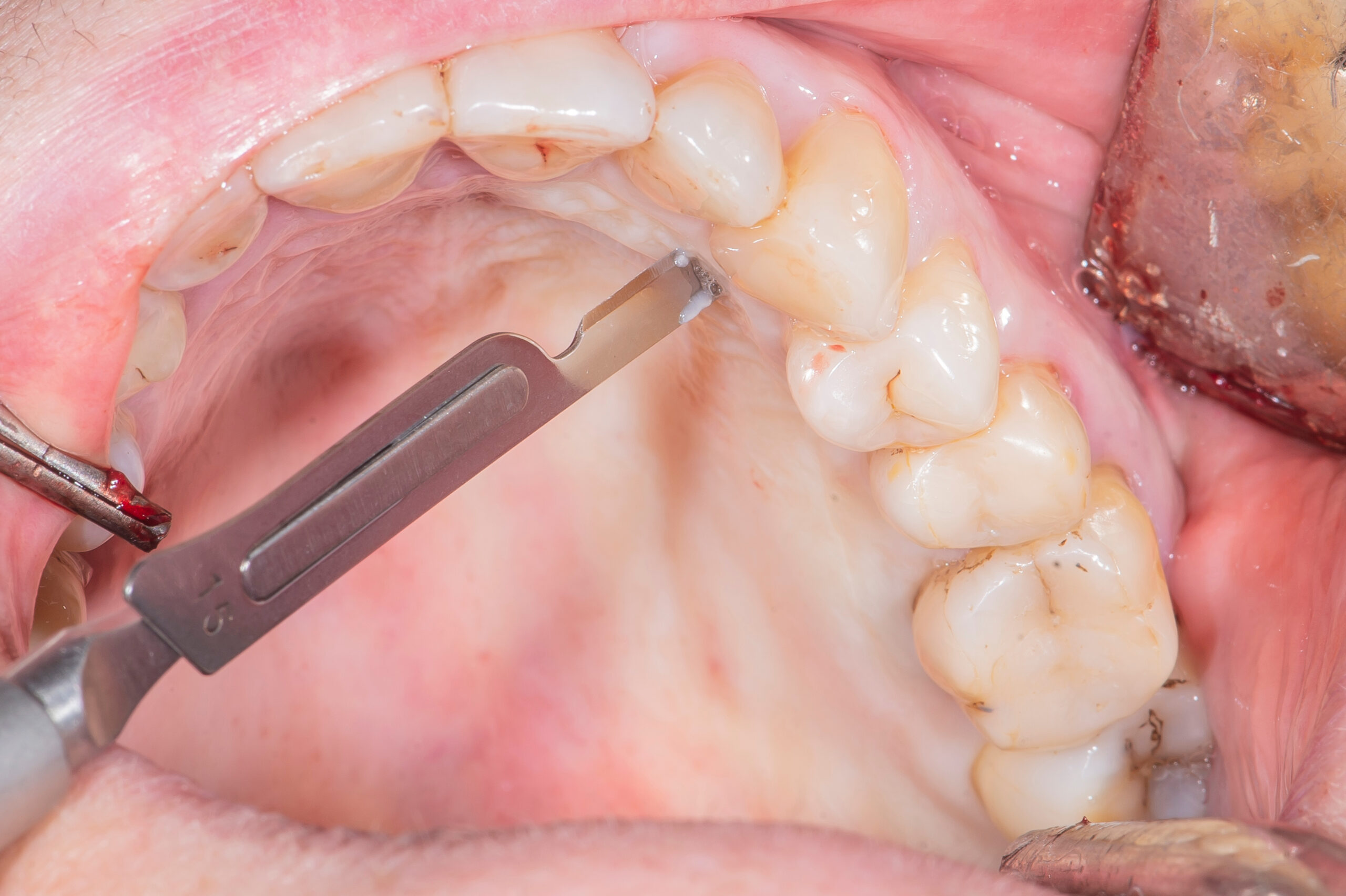
The soft tissue graft procedure can be used to treat both the areas of natural teeth and dental implants for the reasons mentioned above. The area that the soft tissue is commonly harvested from from the roof of the mouth, also known as the hard palate. The area that the soft tissue is taken or harvested from would be classified as the donor site while the area where the soft tissue is to be placed at is classified as the recipient site which could be anywhere in the mouth where a graft is needed.
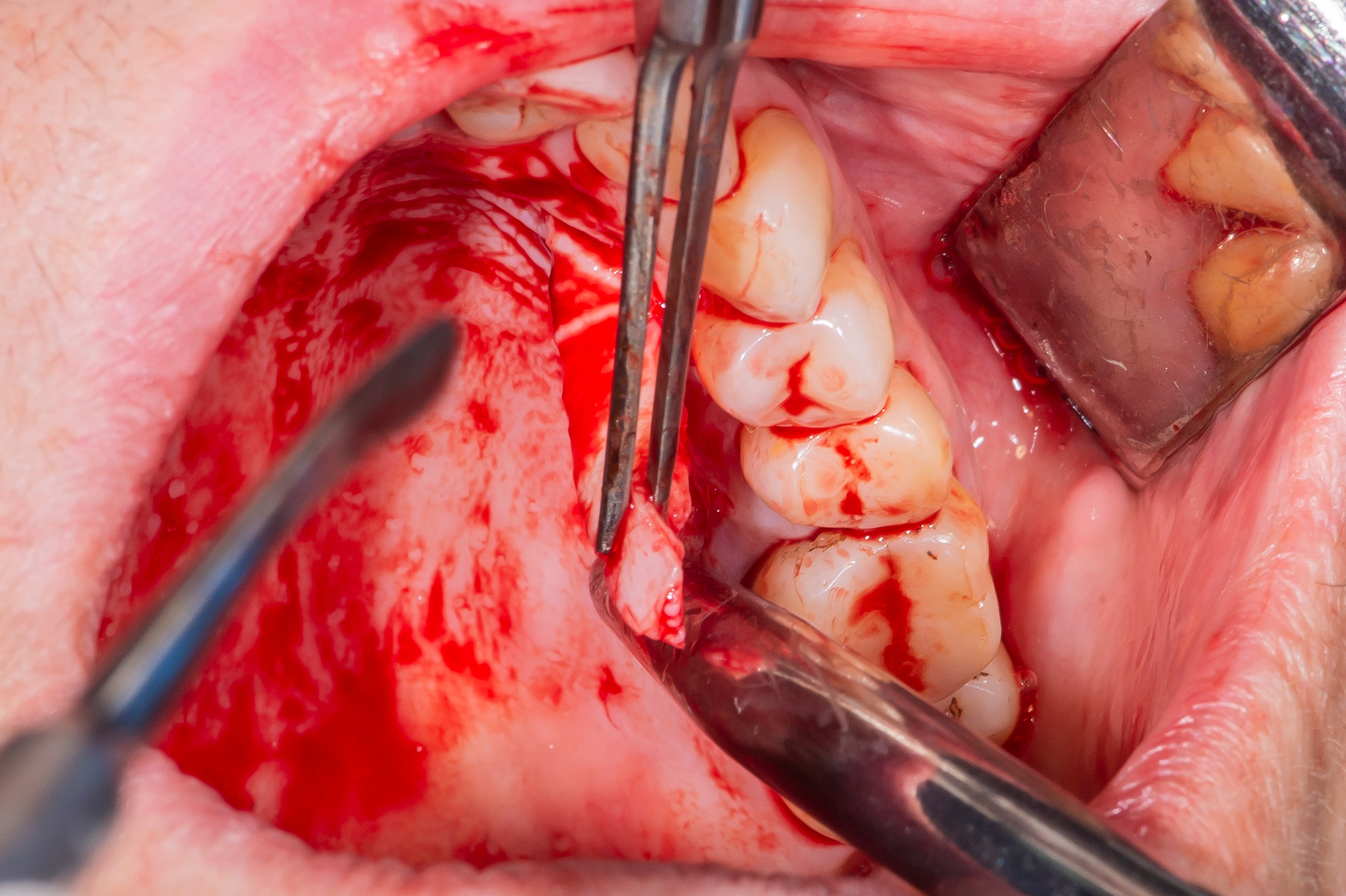
When a soft tissue graft is harvested, it is usually taken out from the donor site in one of the most two common forms. One is in the form of the gingival graft and the other is in the from of a connective tissue graft. The main difference between these two types of grafts is within their composition; the gingival graft includes all of the layers, including the outer layer or gingival layer while the connective tissue graft is devoid of this outer layer and includes the inner layer or connective tissue layer only.
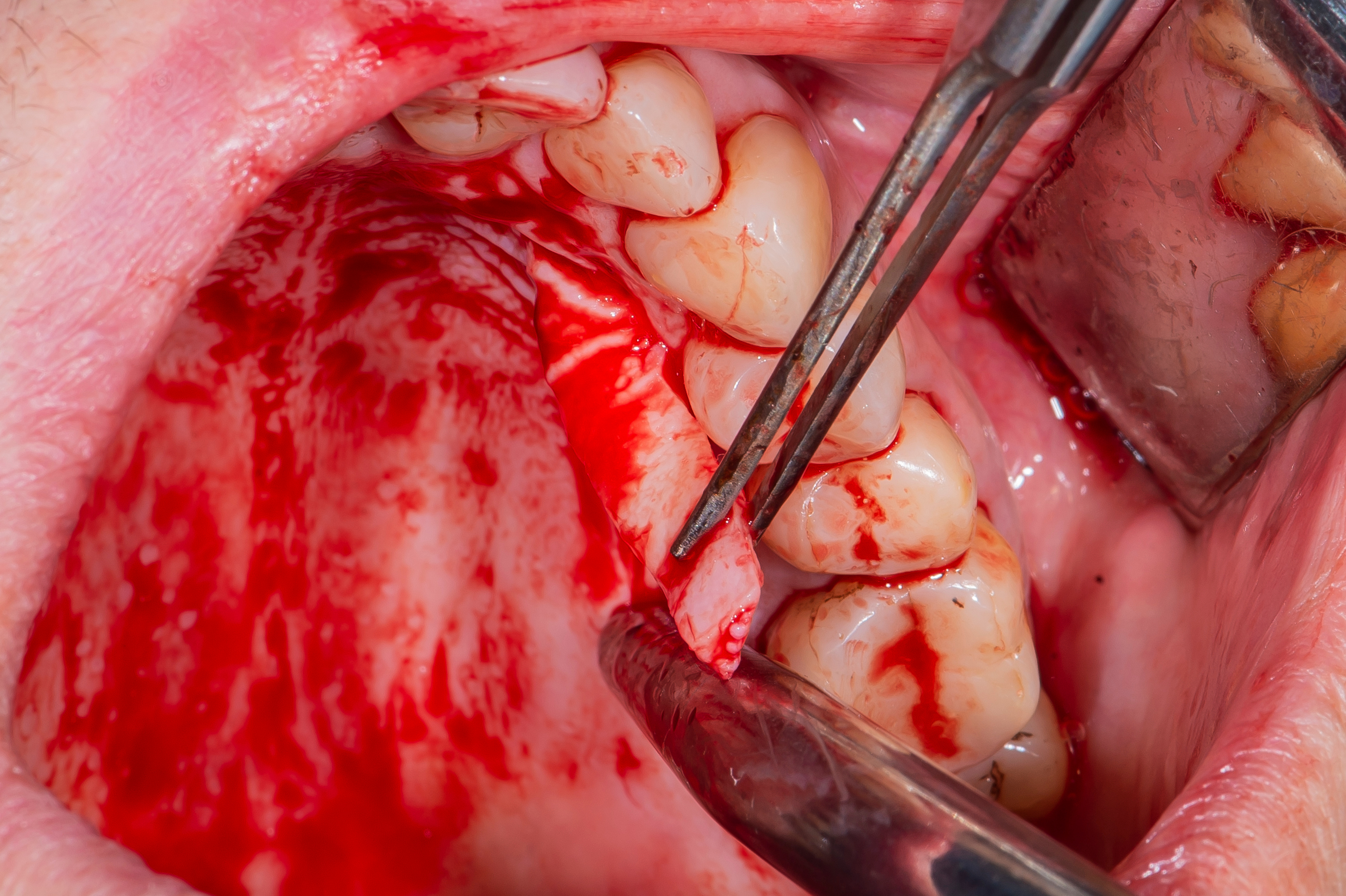
Of course, there are other types of soft tissue grafts available but these two types of soft tissue grafts are the most popular ones that dental providers are widely using for mucogingival surgery. To go into more detail, the gingival graft, or often referred to as the free gingival graft (since it’s “free” from any attachments), is taken and placed into an area with insufficient keratinized gingiva tissue. This type of tissue is very beneficial in the mouth since it is firmly attached to the underlying area and possesses the quality of being:
- firmly attached and tigthly bound within the underlying area which creates a stable zone.
- tough and being more resistant to daily “wear and tear” and injury.
- better able to keeping food, debris, and bacteria out and from entering the gum sulcus and this makes cleaning easier.
- able to looks healthier and better esthetically.
- able of creating an ideal enviroment especially for future dental implants.
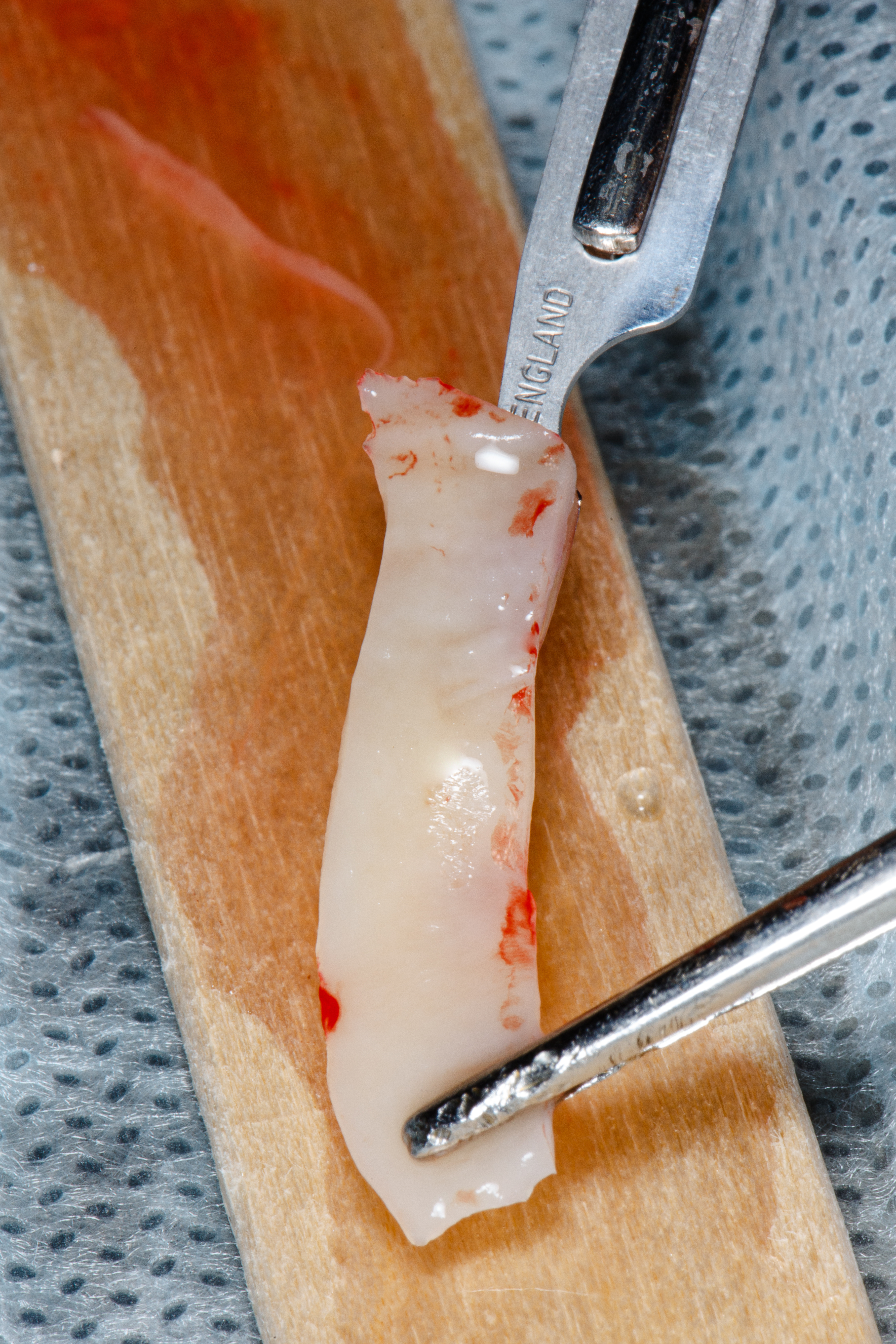
On the otherhand, when a connective tissue graft is needed and used instead, a more delicate approach is taken since only the connective layer is removed from the donor site while leaving the outer layer intact. This type of grafting procedure can also provide a faster recovery time since the outer gingal layer is left attached and acts as a protective cover to the surgical site during the healing period. Despite of this, both types of the soft tissue grafts have its indications and each has their own unique benefits and it is the discretion of the surgeon upon deciding on choosing when to use either one. Moreover, there are incidents when a free gingival graft is harvested and removed from the mouth first and then is converted to a connective tissue graft at chairside. Another method would be to prepare the connective tissue graft by removing the outere gingival layer while it is still attached to the donor site. Undoubtedly, there are different methods available to the surgeon to achieving the same result, which in this case, is the harvesting for a connective tissue graft.
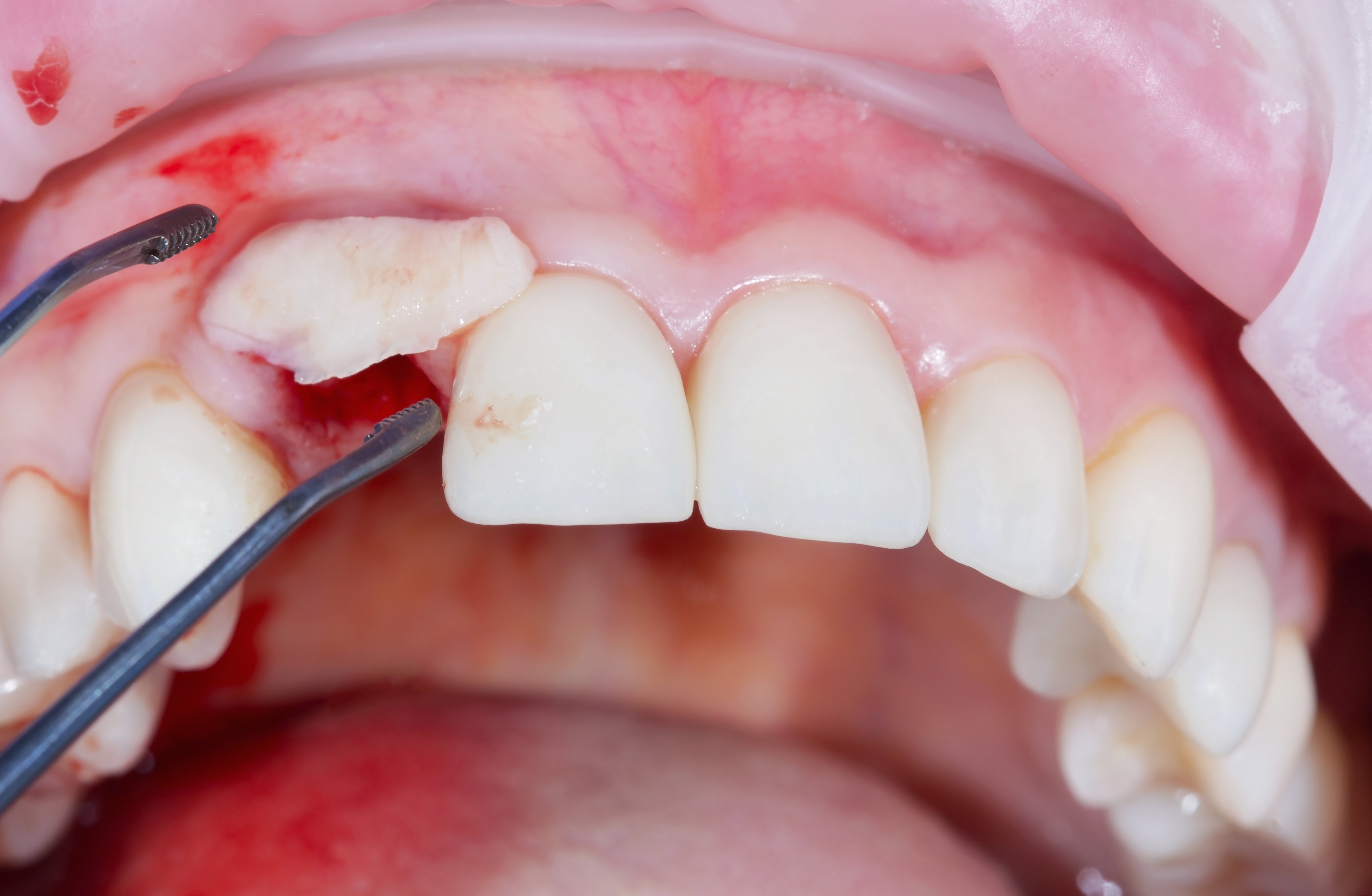
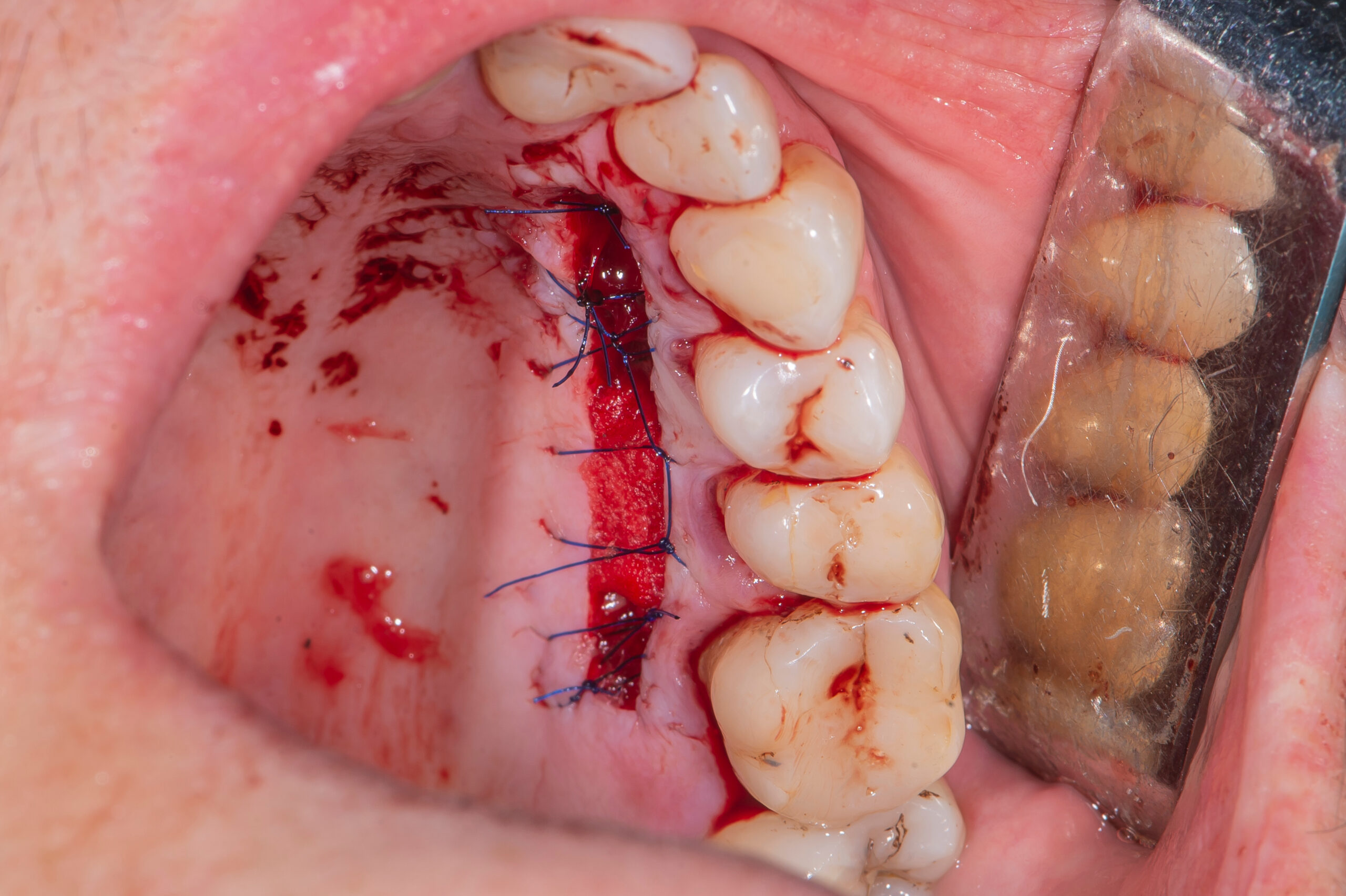
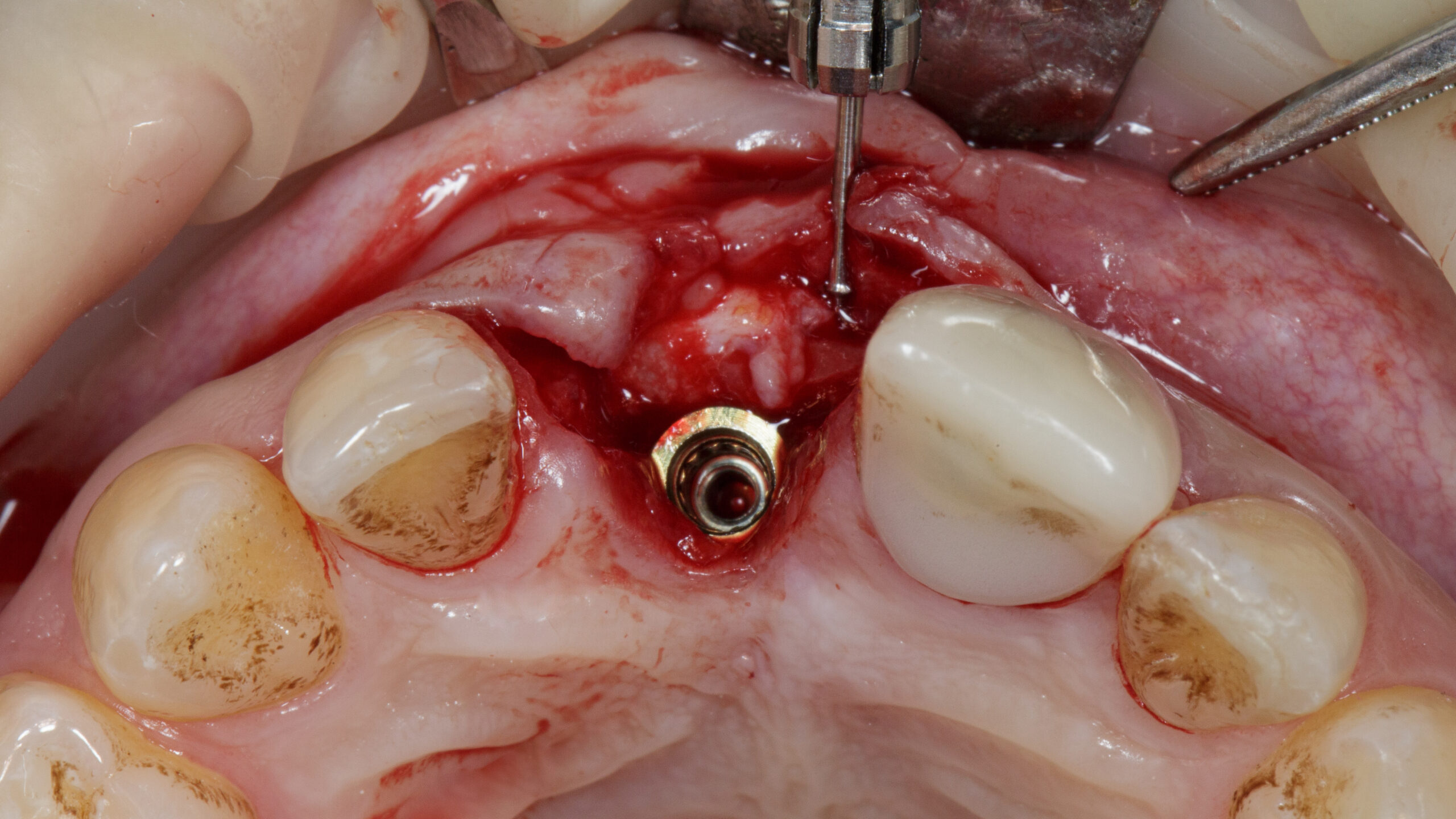
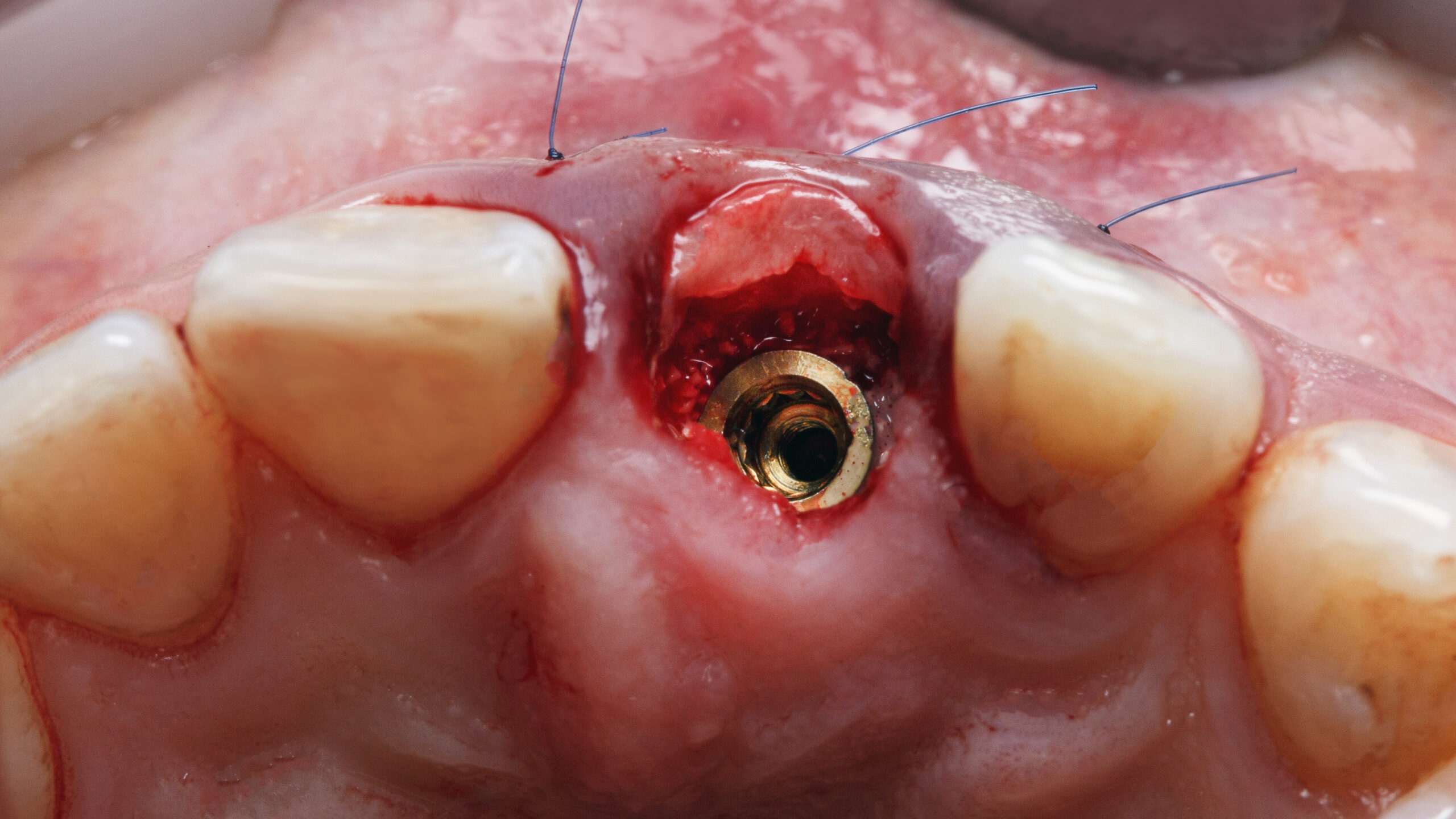
After the soft tissue has been harvested, a dressing of choice is place into the donor site and is firmly secured with sutures. Subsequantly, once the connective tissue graft has been harvested and adequately prepared, the graft is placed within the recipient site accordingly. Next, the graft is immobilized at the desired location by using the proper amount and arrangement of sutures. Once the stabilization of the graft has been confirmed and post-operative instructions have been presented to the patient, the patient is dismissed. The recovery period now begins thus allowing the healing process to occur for the surgical areas.
Upon returning in 2 weeks, the soft tissue graft will begin to show promising signs that the area is healing normally and that it will be clearly visible that the soft tissue graft is incorporating itself into the tissues at the recipient site. In addition, it will be evident that there are obvious improvements that has been established to the area as a result of the grafting procedure.
To summarize, there are many benefits as a result of receiving a soft tissue graft. The advantages from having it far outweighs the disadvantages which possibly include the cost, overall anxiety, fear of possibile discomfort, and lenght of treatment.
Dr. Charles Chow